
Growing herbs on a windowsill is one of the simplest and most rewarding ways to bring nature indoors. Not only does it add a fresh burst of green to your space, but having herbs at your fingertips also transforms your cooking, making it more flavorful and aromatic.
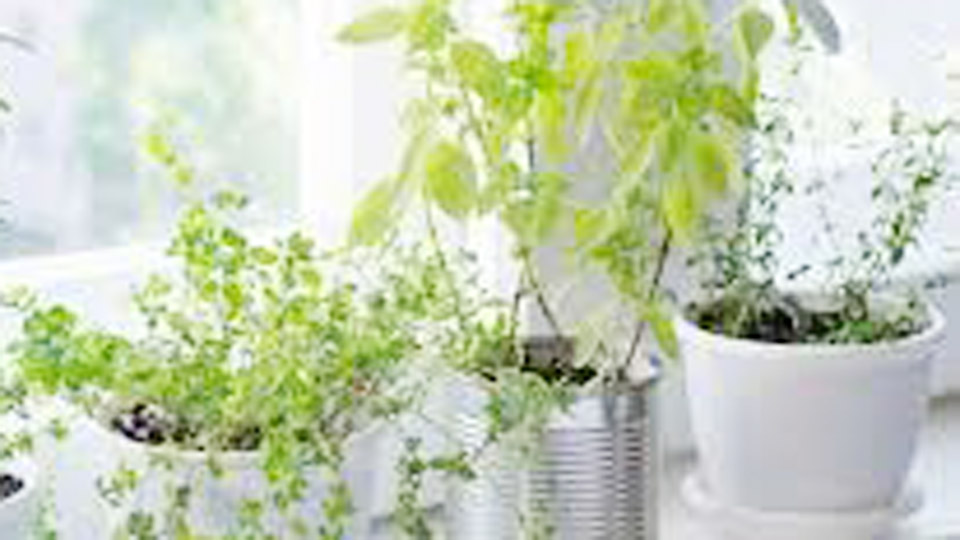
Image by plantura.garden
I started growing herbs on my windowsill during a winter when I craved a little garden therapy. Since then, it has become a year-round joy. If you’re wondering how to grow your own herbs at home, don’t worry. I’ll walk you through the process step by step, so you can start your own herb garden, no matter how small your space is.
Why Grow Herbs on a Windowsill?
Before diving into the how-to, let’s talk about why you should consider growing herbs on your windowsill.
Freshness at Your Fingertips: Imagine plucking fresh basil leaves for pasta or snipping some rosemary for a roast—all without stepping outside.
Cost-Effective: Buying fresh herbs from the store adds up over time. Growing them yourself saves money.
Year-Round Gardening: Whether it’s snowing outside or the peak of summer, your windowsill herb garden thrives all year long.
Therapeutic Benefits: Gardening is known to reduce stress, and caring for herbs gives you a small, satisfying daily ritual.
Aesthetic Appeal: A row of lush green herbs instantly brightens up any room.
If these reasons resonate with you, let’s get started on how to make it happen.
Choosing the Right Spot for Your Herbs
Herbs thrive in the right environment, so selecting the perfect spot is crucial.
Sunlight is Key
Most herbs love sunlight and need at least 6 hours of it daily. A windowsill facing south or west is ideal because these directions get the most light.
Keep It Warm
Herbs prefer a consistent temperature. Avoid spots near drafty windows or vents that could chill or dry out your plants.
Accessibility
Pick a location where you can easily reach your herbs for watering, trimming, and cooking. Convenience is everything when you’re growing herbs to use in your kitchen.
Best Herbs to Grow on a Windowsill
Not all herbs grow equally well indoors, but many are perfectly suited for a windowsill setup. Here are my favorites:
| Herb | Why It’s Great | Uses |
|---|---|---|
| Basil | Grows fast and loves the sun | Pasta, pesto, salads |
| Mint | Hardy and low-maintenance | Tea, desserts, cocktails |
| Rosemary | Woody and fragrant | Roasts, bread, stews |
| Thyme | Compact and flavorful | Soups, marinades, sauces |
| Parsley | Easy to grow and versatile | Garnishes, soups, sauces |
| Chives | Thrives in small spaces | Salads, eggs, baked potatoes |
These herbs are beginner-friendly and work well in a variety of dishes, making them perfect for your kitchen garden.
Supplies You’ll Need to Get Started
Creating your windowsill herb garden doesn’t require a lot of tools or materials. Here’s what you’ll need:
- Pots: Use containers with drainage holes to prevent overwatering.
- Soil: Choose a high-quality potting mix designed for herbs or indoor plants.
- Trays or Saucers: Place these under pots to catch excess water and protect your windowsill.
- Watering Can or Spray Bottle: Gentle watering is key for small plants.
- Labels: Optional, but helpful if you’re growing multiple herbs.
Once you have these essentials, you’re ready to plant your herbs.
Step-by-Step Guide to Growing Herbs on a Windowsill
Pick Your Herbs
Start with herbs you use most often in your cooking. This ensures you’ll enjoy the results and stay motivated to care for them.
Plant Your Seeds or Seedlings
- If using seeds, follow the packet instructions for planting depth.
- For seedlings, gently loosen the roots and plant them in your pot with soil.
Place Your Pots in the Sunlight
Arrange your pots on the windowsill where they’ll get ample light. If sunlight is limited, consider using a grow light.
Water Wisely
Overwatering is a common mistake. Water your herbs only when the top inch of soil feels dry.
Trim Regularly
Harvest your herbs frequently to encourage new growth. Use clean scissors or gardening shears for snipping.
Feed Occasionally
Use a mild, water-soluble fertilizer every few weeks to keep your herbs healthy. Be careful not to overdo it—herbs don’t need heavy feeding.
Common Challenges and How to Solve Them
Lack of Sunlight
If your window doesn’t get enough light, invest in a small grow light to supplement natural sunlight.
Overwatering
Herbs hate soggy roots. Make sure your pots have drainage holes and avoid watering too often.
Pests
Occasionally, indoor plants can attract pests like aphids or spider mites. If this happens, rinse the leaves with water or use a mild insecticidal soap.
Leggy Growth
If your herbs grow tall and spindly, they’re likely not getting enough light. Move them to a sunnier spot or trim them back.
Creative Ways to Use Your Homegrown Herbs
Growing herbs is exciting, but using them is where the fun really begins. Here are some ideas to inspire you:
- Make Herb-Infused Oils: Combine fresh herbs with olive oil for flavorful dressings and marinades.
- Brew Herbal Teas: Mint, basil, and thyme make wonderful teas. Just steep fresh leaves in hot water.
- Create Herb Butter: Mix chopped herbs with softened butter for a tasty spread.
- Dry Your Herbs: Preserve herbs by drying them for use in off-seasons.
These small touches can transform everyday meals into something extraordinary.
Benefits of Growing Herbs Indoors
Growing herbs on a windowsill is more than just a practical choice—it’s a lifestyle upgrade. Here’s why I love it:
- Saves Money: No more expensive grocery store herbs that wilt after a day.
- Healthier Meals: Fresh herbs are packed with nutrients and flavor, encouraging healthier eating habits.
- Eco-Friendly: Growing your own herbs reduces packaging waste and carbon footprint.
- Improves Air Quality: Plants naturally purify the air, making your home feel fresher.
The benefits go beyond the kitchen and into your overall well-being.
Conclusion
Growing herbs on a windowsill is a rewarding experience that combines convenience, sustainability, and creativity. Whether you’re a seasoned gardener or just getting started, this small project brings the joy of gardening indoors.
By following these simple steps and tips, you can cultivate a thriving herb garden that not only enhances your cooking but also brightens your home. I’ve found so much happiness in tending to my herbs, and I’m sure you will too.
So go ahead, pick up some seeds or seedlings, and transform your windowsill into a mini garden oasis. Your future self—and your taste buds—will thank you.
FAQs
Can I grow herbs on a windowsill without direct sunlight?
Yes, you can use a grow light to supplement natural light for healthy herb growth.
How often should I water my windowsill herbs?
Water only when the top inch of soil feels dry to the touch. Avoid overwatering.
What are the easiest herbs to grow indoors?
Basil, mint, parsley, and chives are all beginner-friendly and thrive on a windowsill.
Can I use regular garden soil for my indoor herbs?
No, it’s better to use a high-quality potting mix designed for herbs or indoor plants.
How do I keep my herbs from growing too tall and leggy?
Ensure they get enough light and trim them regularly to encourage bushy growth.
Do herbs need fertilizer when grown indoors?
Yes, a mild, water-soluble fertilizer every few weeks will keep your herbs healthy.
Can I grow herbs on a north-facing windowsill?
It’s possible but challenging. Use a grow light to provide adequate light for your herbs.

I’m Marissa Lynn, the proud author behind GardeningProperty.com! With a deep-rooted passion for all things green and growing, I’ve dedicated years to mastering the art and science of gardening.
From nurturing vibrant flowerbeds to cultivating thriving vegetable gardens, I love sharing practical tips, creative ideas, and proven techniques to help others create their dream outdoor spaces.